
Opening your fridge and finding warm food inside can be a real pain. Whether it is in a busy restaurant kitchen or a family home, a fridge that stops working can quickly disrupt the day. If your refrigerator is not cooling, it may lead to spoiled food, wasted money, and stress about what went wrong.
The good news is that many fridge cooling problems have clear causes. In this guide, we will explain the most common reasons a fridge is not cooling, how to troubleshoot the issue and simple fixes that may restore proper cooling before you call a refrigerator repair Houston.
How a fridge Cooling System Works
A refrigerator may seem simple but inside it has a small system that keeps your food cold all day. When a refrigerator is not cooling it usually means one part of this system is not working completely. Learning how the cooling process works can help you understand why the problem happens and what you should check first.
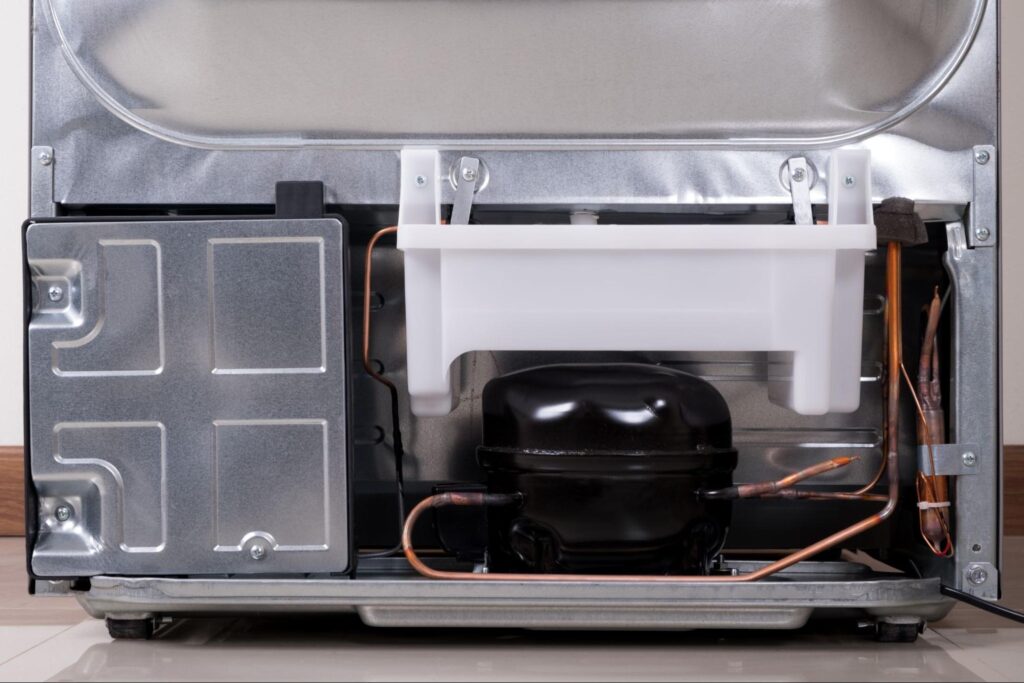
Its all started by the compressor, the engine of the fridge if you like, which pushes a special liquid called refrigerant through a set of coils. Inside the fridge the evaporator coils pull heat out of the air, which makes the inside cold. That heat then moves to the condenser coils usually located at the back or bottom of the appliance, where it is released outside the refrigerator.
Here is something lots of people do not realize. In most refrigerators the freezer repair service actually creates most of the cold air. A small fan pushes that cold air through vents into the fresh food section. If those vents are blocked by food or the fan stops working, the fridge may not get cold enough even though the appliance is still running.
When these parts work together the refrigerator can keep food at a safe temperature between 35°F and 38°F. But if airflow is blocked coils are dirty or a fan stops spinning, you may start noticing refrigerator cooling problems like warm shelves, uneven temperatures, or food going off faster than normal.
Signs Your Refrigerator Is Not Cooling Properly
A refrigerator usually start to give you hints & signs before it completely stops working. Paying attention to these early warning can help you act quickly and prevent food from spoiling. If your refrigerator is not cooling properly you may notice changes in temperature, strange sounds or uneven cooling inside the appliance.
Here are some common signs that indicate your fridge may have a cooling problem.
Food Is Spoiling Faster Than Normal
One of the first signs of a fridge cooling issue is food going bad sooner than expected. Milk may spoil quickly, vegetables may wilt and leftovers may not stay fresh. This often means the fridge is not cold enough to keep food safe.
The Refrigerator Feels Warm Inside
If you open the door and you’re not hit with a wall of cold air, the appliance may be struggling to maintain the right temperature. A refrigerator not cooling can allow warm air to stay inside the compartment, which affects food storage.
Freezer Is Cold but the Fridge Is Warm
Lots of people notice that the freezer still works while the refrigerator section becomes warm. This usually points to an airflow issue, blocked vents or a faulty fan. It is a common situation where the fridge is not cooling but the freezer works.
Motor Running All the Time
A refrigerator normally cycles on and off to control temperature. If the motor keeps running without stopping, it may be trying to cool the appliance but cannot reach the set temperature. This can happen when there are refrigerator cooling problems such as dirty coils or poor airflow.
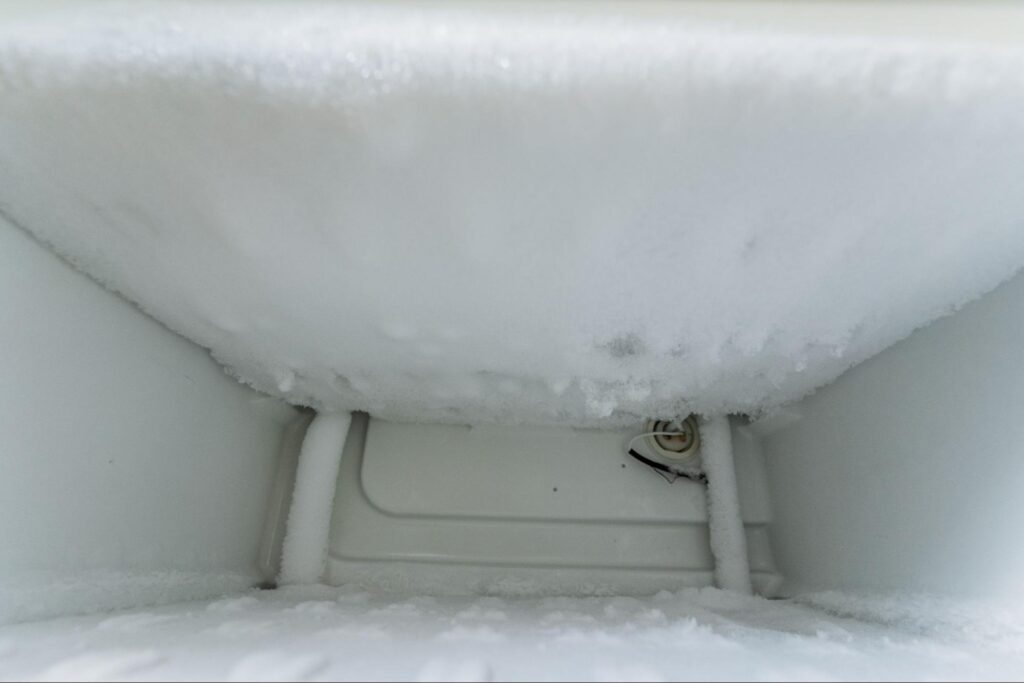
Frost or Ice Buildup Inside the Fridge
Excess frost or ice inside the appliance can block airflow and affect cooling performance. When this happens, cold air may not circulate completely which can cause uneven temperatures.
Also Read: Why Your Washing Machine Is Not Draining: Problem & How to Fix
10 Common Reasons Your Refrigerator Is Not Cooling
If your refrigerator is not cooling, there’s usually some straightforward explanation behind it.. Sometimes the issue is simple, such as airflow being blocked or temperature settings being changed. In other cases, a part inside the cooling system may stop working. Identifying what reason a refrigerator to stop cooling can help you decide whether it is a quick fix or something that needs professional appliance repair.
Below are some of the most common causes behind refrigerator cooling problems.
1. Dirty Condenser Coils
The condenser coils help release heat from the refrigerator. When these coils become covered with dust, grease or pet hair, the appliance can not remove heat properly. This can lead to refrigerator performance issues and weak cooling. Regular cleaning refrigerator condenser coils can improve efficiency and help prevent cooling failure.
2. Blocked Air Vents Inside the Refrigerator
Cold air moves through small air vents inside the refrigerator to keep both compartments at the right temperature. If food containers block these vents, airflow becomes restricted. This refrigerator airflow blockage may cause the fridge section to warm up while the freezer still feels cold.
3. Evaporator Fan Motor Not Working
The evaporator fan motor spreads cold air through the refrigerator. If the refrigerator fan is not working, cold air cannot circulate properly and completely. This can lead to uneven temperatures or a situation where the fridge is not getting cold even though the unit is running.
4. Condenser Fan Failure
The condenser fan cools the compressor and condenser coils. If this fan stops spinning, heat builds up around the cooling system. As a result, the appliance may start showing refrigerator cooling problems and struggle to maintain proper temperature.
5. Incorrect Temperature Settings
Sometimes the issue is very simple. If the refrigerator thermostat is set too high, the appliance may not cool enough. This can make the fridge temperature too high, which affects food storage.
6. Damaged Door Gasket
The door gasket keeps cold air inside the refrigerator. When the seal becomes loose or cracked, warm air enters the appliance. This makes the refrigerator work harder and may lead to the refrigerator losing cooling over time.
7. Frost Buildup in the Defrost System
Modern refrigerators rely on a defrost system to prevent ice buildup on cooling coils. If the system fails, frost can block airflow and create a refrigerator airflow problem. This prevents cold air from moving freely through the appliance.
8. Faulty Start Relay
The refrigerator start relay helps the compressor begin the cooling cycle. If this small component fails the compressor may not start properly. This can lead to a refrigerator cooling failure where the appliance runs but does not cool effectively.
9. Compressor Running but Not Cooling
The compressor is the heart of the cooling system. Sometimes the refrigerator compressor is running but not cooling, which may indicate internal wear or a refrigerant issue. In this case, professional diagnosis is usually required.
10. Refrigerant System Leak
The refrigerant system removes heat from inside the refrigerator. If there is a leak the cooling cycle cannot work correctly. This often leads to a sit.Step-by-Step Guide: How to Fix a Refrigerator That Is Not Cooling
Step-by-Step Guide: How to Fix a Refrigerator That Is Not Cooling

When a refrigerator is not cooling, the problem can affect both homes and businesses. In a household, it may lead to spoiled groceries. In a restaurant, cafe or store, it can cause food safety issues and product loss. The good news is that many cooling problems can be checked with a few practical steps before calling for service.
Below are simple refrigerator troubleshooting steps that work for both residential and commercial units.
Step 1: Check the Temperature Settings
Start with the basics. Look at the refrigerator thermostat or digital control panel. In busy kitchens or commercial spaces, settings are sometimes changed by accident. If the temperature is too high, the fridge may not get cold enough. The ideal temperature is usually 35°F to 38°F for the refrigerator section.
Step 2: Make Sure Air Can Move Inside the Unit
Airflow is important for proper cooling. In both home and commercial refrigerators, items placed too close to the vents can block cold air. Check the air vents inside the refrigerator and make sure they are not covered by food containers or storage boxes. A refrigerator airflow blockage can cause uneven temperatures and make the fridge warm while the freezer stays cold.
Step 3: Inspect and Clean the Condenser Coils
Dust, grease and kitchen debris often collect on the condenser coils, especially in restaurants or busy kitchens. When refrigerator condenser coils are dirty, the appliance cannot release heat efficiently. This leads to refrigerator cooling problems and higher energy use. Regular cleaning of condenser coils helps maintain good cooling performance.
Step 4: Check if the Refrigerator Fan Is Working
Fans help move cold air throughout the appliance. If the evaporator fan motor or condenser fan stops working, the refrigerator may run but the inside will not cool properly. One common sign is when the refrigerator compressor is running but not cooling the compartments.
Step 5: Check the Door Seals
Door gaskets are important for keeping cold air inside. In commercial kitchens where doors open frequently, seals can wear out faster. If the gasket is loose or damaged, warm air enters the refrigerator and causes refrigerator temperature problems.
Step 6: Observe the Cooling System
Listen for the compressor at the back of the unit. If the refrigerator is running but still showing refrigerator cooling failure, the issue may involve the refrigerant system, start relay or internal electrical parts.
Step 7: Call a Professional Technician if Needed
If the appliance still shows signs of the fridge not working properly after basic checks, professional help may be required. A technician can perform deeper refrigerator diagnostic steps and repair components like the control board, compressor or refrigerant system.
For homeowners and businesses in Texas, scheduling a refrigerator repair Houston service can help restore cooling quickly and prevent further damage. A professional appliance repair Houston TX technician can safely handle complex repairs that require specialized tools.
DIY Fixes You Can Try When Your Refrigerator Is Not Cooling

When a refrigerator is not cooling, the problem does not always mean the appliance is broken. In many cases, a few simple fixes can start running proper cooling. These steps are safe for most homeowners and small businesses to try before calling a technician. They can also help with basic refrigerator troubleshooting and improve overall performance.
Below are practical fixes that may solve common refrigerator cooling problems.
Clean the Condenser Coils
Dust and grease often build up on the condenser coils, especially if the refrigerator is near cooking areas. When refrigerator condenser coils are dirty the appliance cannot release heat properly. This can cause the fridge not getting cold even though it is running.
To fix this:
- Unplug the refrigerator.
- Locate the coils at the back or under the unit.
- Use a soft brush or vacuum to remove dust.
Regular cleaning refrigerator condenser coils can improve cooling and energy efficiency.
Rearrange Items to Improve Airflow
Cold air needs space to move inside the appliance. When shelves are overcrowded or containers block vents, airflow becomes restricted. This refrigerator airflow problem may cause uneven temperatures or make the fridge not cold enough.
Try these simple steps:
- Keep space around air vents inside the refrigerator.
- Avoid overloading shelves.
- Leave some room between food containers for proper refrigerator airflow circulation.
Check the Door Seal
The rubber gasket around the refrigerator door keeps cold air inside. If the seal becomes loose or cracked, warm air enters the appliance and affects cooling. This can lead to refrigerator temperature problems and higher energy use.
You can check the seal by closing the door on a piece of paper. If the paper slides out easily, the gasket may need cleaning or replacement.
Reset the Refrigerator
The control system may stop working properly due to a minor electrical issue. Resetting the refrigerator can help restart the refrigerator cooling cycle.
To reset:
- Unplug the appliance for about 5 minutes.
- Plug it back in and allow time for the temperature to stabilize.
This simple step may help if the refrigerator stopped cooling suddenly.
Check the Temperature Control Settings
Look at the refrigerator thermostat or digital display. If the temperature is set too high, the appliance may struggle to maintain cooling. Adjust the setting to the recommended range and monitor the appliance for several hours.
These basic fridge repair tips can often solve minor cooling issues and improve refrigerator maintenance. If the refrigerator still shows warning of refrigerator cooling failure after trying these steps the problem may involve internal components such as the fan motor, compressor or refrigerant system, which usually require Emergency refrigerator repair in Katy TX.
When to Call a Professional Refrigerator Repair Technician

If your refrigerator is not cooling after basic checks and DIY fixes, the problem may involve internal parts that require professional fridge repair in Houston TX. Some issues can not be fixed safely without proper tools and technical knowledge.
You should contact a technician if you notice these signs:
Refrigerator compressor running but still not cooling, which may indicate a problem in the refrigerant system or compressor.
Refrigerator fans are not working, especially the evaporator fan motor or condenser fan, which can stop cold air from circulating.
The refrigerator stopped cooling suddenly even though it still has power.
Ongoing refrigerator temperature problems such as a fridge not cold enough or warm spots inside the unit.
A professional technician can perform proper refrigerator diagnostic steps to find the exact cause and fix the issue safely.
Preventive Maintenance Tips to Keep Your Refrigerator Cooling Efficiently
Regular care can help prevent many refrigerator cooling problems and reduce the chances of your refrigerator not cooling in the future. A few simple maintenance steps can keep the appliance working efficiently.
Clean the Condenser Coils
Dust buildup on the condenser coils can affect cooling performance. Cleaning refrigerator condenser coils every few months helps the unit release heat properly and maintain steady cooling.
Keep Air Vents Clear
Make sure the air vents inside the refrigerator are not blocked by food containers. Proper refrigerator airflow circulation helps keep the temperature even throughout the fridge.
Check the Door Seal
Inspect the rubber gasket around the door. A loose or damaged seal can cause refrigerator temperature problems because warm air enters the appliance.
Avoid Overloading the Refrigerator
Too many items inside the fridge can create a refrigerator airflow problem and make the fridge not cold enough. Keeping space between items allows cold air to move freely.
Why Refrigerator Cooling Problems Are Common in Hot Climates Like Houston
Hot weather and high humidity in Houston can make refrigerators work harder than usual. When kitchen temperatures stay high, the cooling system must remove more heat to keep food cold. Over time, this extra workload can lead to refrigerator cooling problems such as a fridge not getting cold or uneven temperatures.
Dust and grease also build up faster on condenser coils in warm environments, which can cause the refrigerator not cooling properly. Regular maintenance and quick repairs are important to keep appliances running efficiently.
If your refrigerator is not cooling the technicians at Kaspi Appliance Repair team provide same day refrigerator repair Houston services for homes and commercial kitchens.
Book your repair now:https://kaspiappliancerepair.com/contact/
Frequently Asked Questions
-
Why is my refrigerator not cooling but the freezer works?
This usually happens when cold air from the freezer cannot reach the refrigerator section. A blocked vent, refrigerator airflow problem, or a faulty evaporator fan motor can stop cold air from circulating. When airflow is restricted, the freezer may stay cold while the fridge is not getting cold.
-
What causes a refrigerator to stop cooling suddenly?
A refrigerator stopped cooling suddenly due to issues such as dirty condenser coils, a faulty refrigerator start relay, or problems with the compressor. Electrical issues or a malfunctioning control board can also interrupt the refrigerator cooling cycle.
-
How do I fix a refrigerator that is not cooling?
Start with basic refrigerator not cooling troubleshooting steps. Check the temperature settings, make sure air vents inside the refrigerator are not blocked, and clean the condenser coils. If the problem continues after these checks, the appliance may require professional repair.
-
Why is my refrigerator compressor running but not cooling?
If the refrigerator compressor is running but not cooling, the issue may involve the refrigerant system, clogged coils, or poor airflow. In many cases, the cooling system cannot remove heat properly, which leads to refrigerator cooling failure even though the unit still runs.
-
When should I call a refrigerator repair technician?
You should contact a technician if the refrigerator is not cooling after basic troubleshooting or if you notice ongoing refrigerator temperature problems. A professional can perform proper diagnostic checks and repair components like the compressor, fan motor, or control board.