
You finish the wash, open the washer and find a tub full of water. Your clothes are still soaking wet and the washer has not finished the job. If this keeps happening, you may be dealing with a washing machine that won’t drain.
A washer not draining can be caused by something as simple as a clogged hose or a dirty pump filter. A problem with the drain pump, an uneven load, or another washer part can also stop the water from going out. In some cases, the washer won’t drain or spin, so the clothes stay wet.
Before you call for help, there are a few things you can check yourself. Below, we cover 9 common causes and fixes and show you what to check when your washing machine is not draining properly.
Why Your Washing Machine Is Not Draining
A washing machine not draining usually happens when something blocks the flow of water or when a part of the washers drainage system stops working. In most cases, the problem is caused by a clogged drain hose, blocked pump filter, faulty drain pump or an unbalanced laundry load. When any of these parts fail or become blocked, the washer cannot push water out during the spin cycle, leaving water inside the drum.
This issue can happen in both residential washers and commercial washing machines that are used more frequently in places like laundromats, hotels or restaurants. Some users may also notice related problems such as a washer not draining after the cycle a washer not draining but spinning or a washing machine full of water after washing. Identifying the cause early helps prevent bigger damage and allows you to fix the drainage problem faster.
If you are in Houston TX, Katy, Sugar Land or the surrounding areas and your washer won’t drain, Kaspi Appliance Repair offers same-day washer repair service in houston. Our technicians carry common pump filters and hoses on every truck. → Book Same-Day Washer Repair in Houston.
Also Read: Samsung Refrigerator Error Codes Explained | Fix Guide
Also Read: LG Washer Error Codes in Houston | Fix Guide & Repair Help
How the Washing Machine Drain System Works
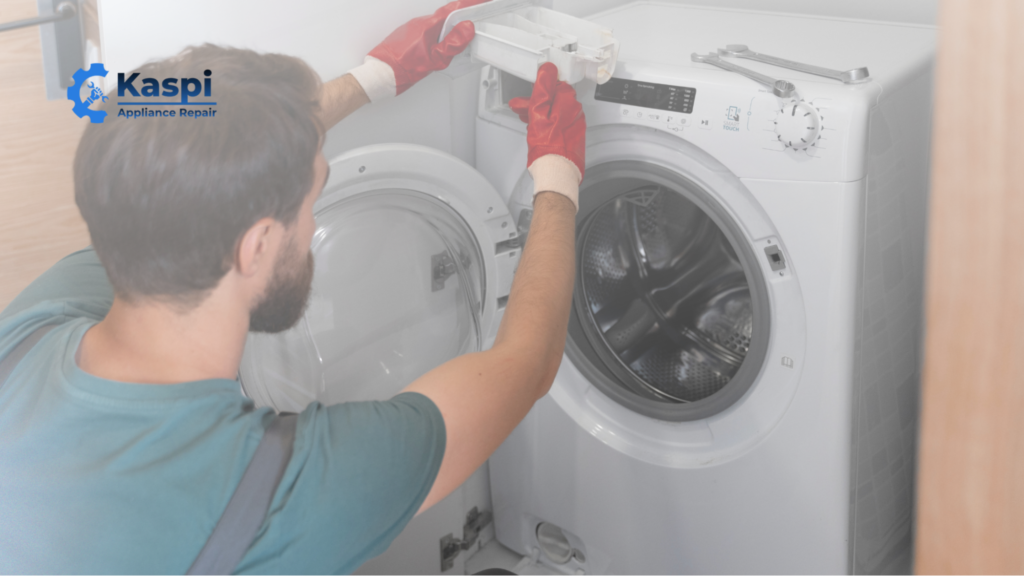
To figure out why a washer is not draining, it helps to understand how the drainage system works. Every washing machine whether used at home or in a commercial laundry setup, removes water through a few key parts working together during the drain and spin cycle. Once the wash cycle ends, the machine activates the pump and pushes dirty water out of the drum through a hose connected to the buildings drain.
Drain Pump
The washer drain pump is responsible for pushing water out of the washer tub. When the drain cycle begins, the pump moves water from inside the drum into the drain hose. If this pump becomes blocked by lint, coins or small clothing items, the washing machine may not drain properly and water can remain inside the tub.
Drain Hose
The drain hose carries wastewater from the machine to the household or commercial plumbing drain. If the hose becomes clogged, bent or twisted, water cannot flow out smoothly. This is one of the most common reasons people notice their washing machine not draining water after the cycle.
Pump Filter
Many washers include a pump filter designed to catch debris before it reaches the drain pump. Items like lint hair, buttons or small objects from pockets can collect in this filter over time. When it gets blocked, the washer may start draining slowly or stop draining completely.
Spin Cycle
The spin cycle helps remove water from clothes by spinning the drum at high speed. At the same time the machine pushes water out through the drainage system. If the washer cannot spin correctly due to an unbalanced load or mechanical issue users may notice the washer not draining or leaving clothes soaking wet after the cycle.
9 Common Reasons Your Washing Machine Is Not Draining

When a washing machine is not draining it usually means something is stopping water from leaving the washer during the drain or spin cycle. This problem can appear in both household washers and commercial laundry machines that run many loads each day. Below are some of the most common causes that lead to a washer not draining water properly.
1. Clogged Drain Hose
The washing machine drain hose carries dirty water from the washer to the plumbing drain. Over time all sorts of stuff like lint, dirt, detergent and fabric fibres can build up inside the hose. When this blockage grows, water cannot flow out smoothly which results in a washing machine not draining after the cycle.
2. Debris Stuck in the Drain Pump
Small items left in clothing pockets can easily enter the washer system. Coins, buttons, hairpins and lint may get stuck in the washer drain pump, preventing it from pushing water out of the tub. When this happens, the washer was not drain completely and water may stay inside the drum.
3. Blocked Pump Filter
Lots of washers include a pump filter designed to catch debris before it reaches the pump. If the filter becomes packed with lint, hair or small objects, it can slow down or stop the water flow. This often leads to a washer draining slowly or leaving water behind after the wash cycle.
4. Drainage Problem in the Building Pipe
Sometimes the washer itself is not the issue. A blocked household or commercial drain pipe can prevent water from leaving the machine. If the plumbing line connected to the washer is clogged, the washing machine may not drain water even though the appliance is working normally.
5. Heavy or Unbalanced Laundry Load
Placing too many clothes in the washer or washing bulky items like blankets can create an unbalanced load. When the drum cannot spin properly, the machine may stop before removing the water. As a result users may notice the washer not draining or clothes coming out soaking wet after the cycle.
6. Faulty Lid Switch or Door Lock
The lid switch or door lock tells the washer that the lid or door is closed. If it is broken, the washer may stop before it drains or spins.
If your washer won’t drain or spin, check that the lid or door closes properly. Make sure nothing is stuck in the lock. If the washing machine is not draining after this, the switch or lock may be faulty and may need to be replaced.
7. Drive Belt or Motor Problem
The drive belt helps the washer drum move during the wash and spin cycles. If the belt is loose, worn, or broken, the drum may not spin properly and the washer may leave water inside.
A weak or faulty motor can cause the same problem. If your washing machine won’t drain or spin, check if the drum is moving during the cycle. If it is not, the belt or motor may need to be checked and repaired.
8. Drain Hose Installed Incorrectly
The drain hose must be placed correctly so water can flow out of the washer. If it is bent, blocked, or pushed too far into the drain, the water may not leave properly.
Check the hose for bends or anything blocking it. Make sure it is not too high or pushed too far into the drain. Fixing the hose position may be enough to solve the washer not draining problem.
9. Control Board or Timer Issue
The control board and timer help the washer run each part of the cycle at the right time. If one of them stops working, the washer may stop before the water is fully drained.
If your washer does not drain, first check the hose and filter. If they are clear but the problem keeps coming back, the control board or timer may be faulty. A repair technician can check the part and replace it if needed.
Washing Machine Not Draining in Residential Homes
If a washing machine is not draining in a residential home the issue is usually related to daily usage and basic maintenance. Almost household washers develop drainage problems when lint, small objects or detergent residue builds up inside the drain hose, pump filter or washer drain pump. When this happens, water can not move out of the drum properly, leaving homeowners with a washer full of water after the cycle.
Another common reason a home washer is not draining water is overloading the machine. Washing heavy loads such as blankets, towels or large clothing batches can prevent the drum from spinning properly. When the spin cycle can not remove water effectively the washer may not drain completely and clothes remain soaking wet.
Improper detergent use can also create drainage problems. Using too much soap or the wrong detergent type can produce excess foam and residue inside the washer. Over time, this buildup can clog parts of the drainage system and lead to a washing machine draining slowly or stopping mid cycle.
Regular care can help prevent these problems. Checking pockets before washing, avoiding overloaded laundry loads and occasionally cleaning the washer pump filter and drain hose can reduce the chances of a washing machine drain problem in residential washers.
Commercial Washing Machine Not Draining in Businesses
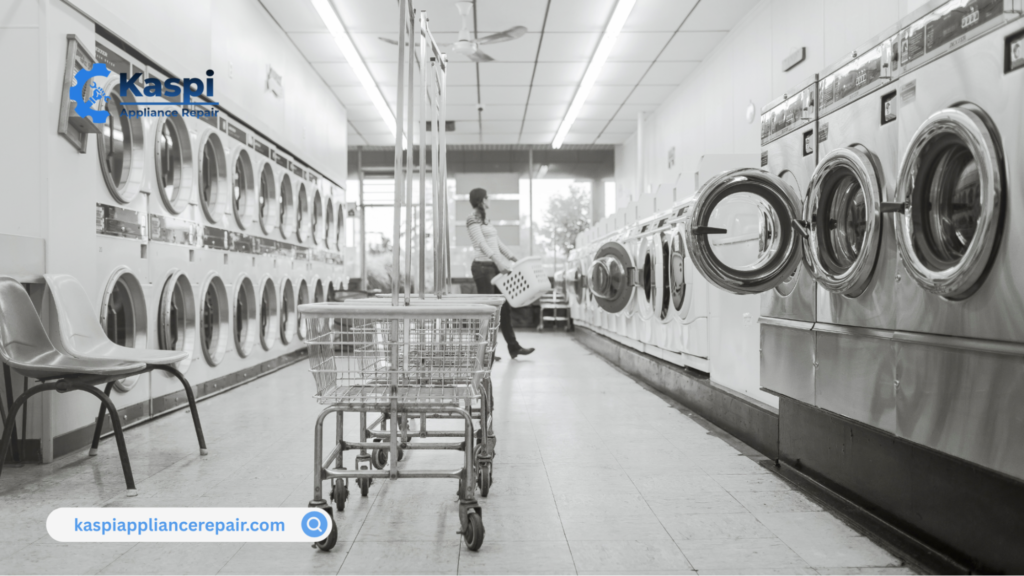
If a commercial washing machine is not draining the problem is usually because of the sheer amount of use it gets & the resulting buildup inside the washers pipes. Businesses such as laundromats, hotels, restaurants and healthcare facilities run multiple laundry cycles daily, which increases the chances of lint, detergent residue and fabric fibers blocking the drain hose or pump filter. When these parts become restricted, the washer may not drain water properly after the cycle.
Another most common reason a commercial washer is not draining is wear in the drain pump. Since commercial machines works more frequently than residential washers the pump works harder to push water out of the drum. Over time the pump may weaken or fail, which can reason the washing machine to drain slowly or leave water inside the tub. Drainage problems in businesses can also come from the buildings plumbing system. If the commercial laundry drain line becomes clogged, water can not flow away from the machine efficiently. In this case, users may notice the washer not draining or stopping mid cycle with water inside.
Regular maintenance is crucial in commercial laundries. Cleaning lint buildup, checking the washing machine drain hose and inspecting the pump filter can help reduce the risk of a commercial washer drainage problem and keep laundry operations running without interruptions.
How to Fix a Washing Machine That Is Not Draining (Step-by-Step)
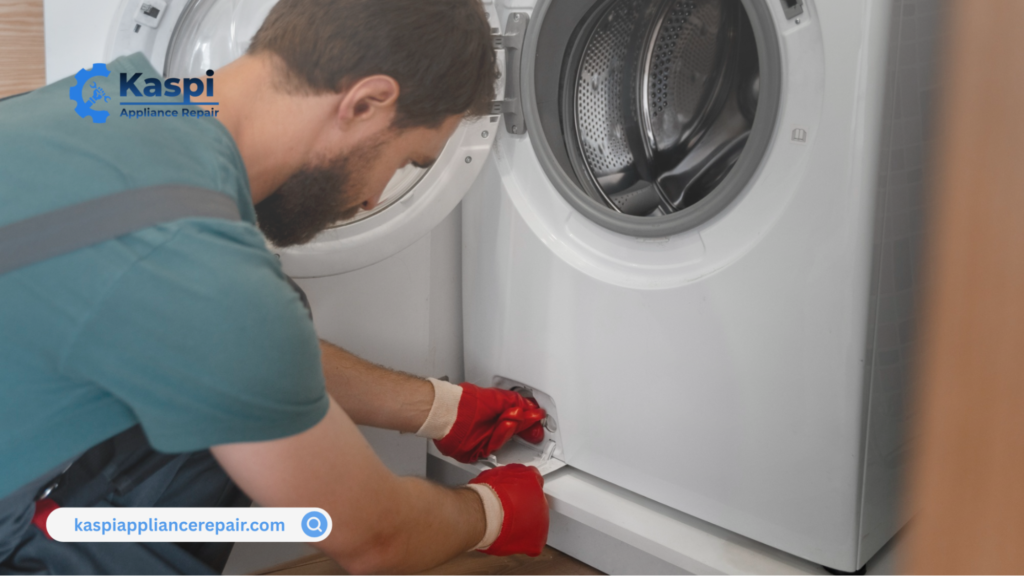
If your washing machine is not draining a few quick checks can solve most the problem without major repairs. Most washer drainage issues happen because water can not move through the drain hose, pump filter or drain pump. Follow these simple steps to troubleshoot a washer not draining water.
Step 1: Check the Drain Hose
Start by looking at the washing machine drain hose behind the washer. Make sure it is not bent, pinched or clogged. A blocked or twisted hose can stop water from leaving the machine and cause the washer to hold water after the cycle.
Step 2: Clean the Pump Filter
Open the small access panel near the bottom of the washer and remove the pump filter. It often collects lint, coins, buttons or small objects from clothing. Cleaning this filter can quickly fix a washing machine draining slowly or not draining completely.
Step 3: Inspect the Drain Pump
If the washer still was not draining, the drain pump may be blocked or worn out. Debris stuck inside the pump can prevent it from pushing water out of the drum. In some cases, the pump may need professional repair or replacement.
Step 4: Run a Drain or Spin Cycle
After checking these parts, run a spin or drain cycle to see if the water leaves the drum properly. If the washing machine still does not drain, the issue may involve internal components or plumbing and may require a technician.
Signs Your Washing Machine Drain Pump May Be Failing
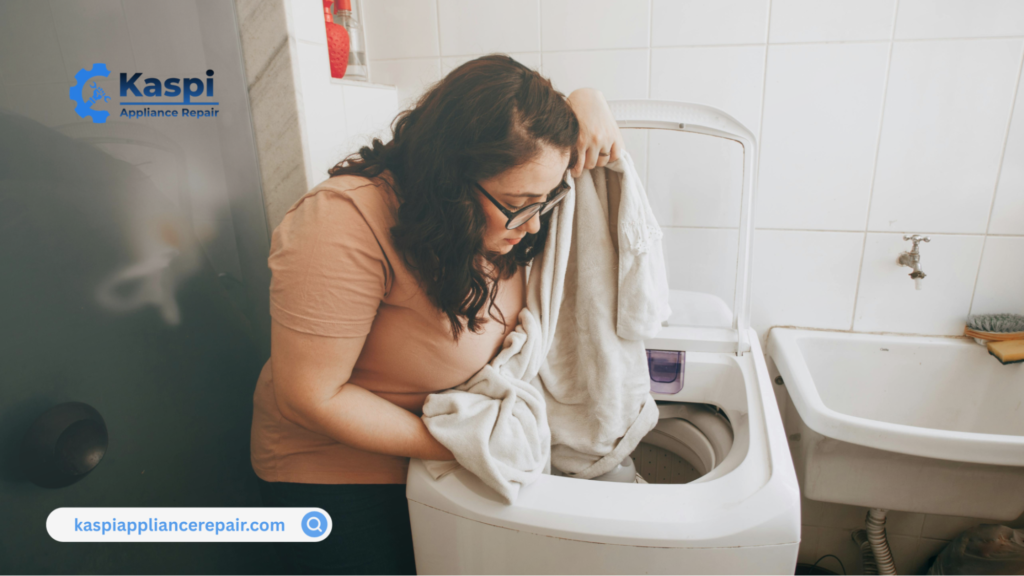
If your washing machine is not draining the drain pump is one of the first parts that should be checked. The pump pushes dirty water out of the washer through the drain hose. When this part begins to fail, the machine can not remove water properly which leads to common washer drain repair problems.
One of the most noticeable warnings is water left inside the washer after the cycle finishes. If your washer is not draining water completely, the pump may be weak, blocked or damaged. This often causes clothes to come out heavier and wetter than normal.
Another warning sign is strange noises during the drain cycle. A humming, buzzing, or grinding sound may indicate something is stuck inside the washer drain pump. Small items like coins, buttons or lint can block the pump and create washing machine drainage problems.
You may also see the washer draining slowly or stopping before the water fully drains. In busy households or commercial laundry setups, this can quickly turn into a repeated washer drain issue that affects every wash cycle.
If these problems keep happening, the machine may need washer drain pump repair or replacement to restore proper water flow and prevent bigger appliance damage.
When to Call a Professional Appliance Repair Technician
A washing machine is not draining even after you check the drain hose, clean the pump filter, or try another cycle, it may be time to call a professional. Some washer problems come from parts inside the machine such as the drain pump, internal hoses or electrical components, which are difficult to repair without proper tools. These types of washer drain repair problems usually need an experienced technician.
You should also contact a repair expert if the washer stops with water still inside, makes loud noises during draining or keeps leaving clothes very wet after every cycle. For businesses like laundromats, hotels or restaurants, a commercial washing machine not draining can slow down daily work and affect operations.
In situations like this, getting help from a trusted appliance repair company can save time and prevent bigger appliance damage. Kaspi Appliance Repair provides reliable and professional washer repair in Houston with Emergency washer repair service for both residential homes and commercial laundry equipment. Their technicians check the washer carefully, find the real cause of the drainage problem, and fix it so your machine can drain and run normally again.
Expert Appliance Repair Tips for Washer Drain Issues
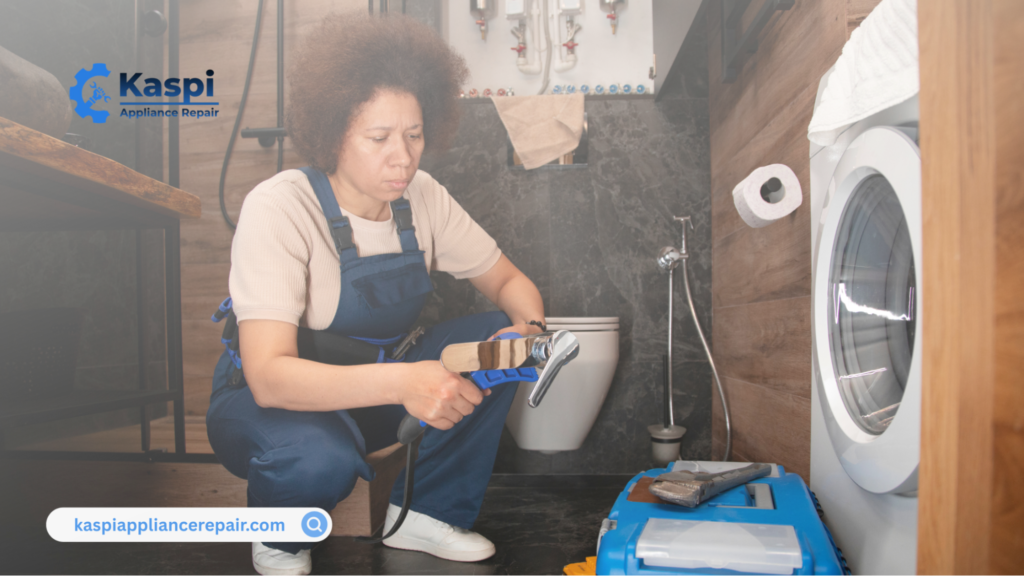
Appliance technicians often see the same causes behind a washing machine not draining. Most washer drain problems start with small issues that build up over time, such as lint, detergent residue or objects left in clothing pockets. Following a few simple maintenance habits can help reduce the chances of a washer not draining water and keep the machine working properly.
One important tip is to check clothing pockets before starting a wash cycle. Coins, tissues and small items can easily move through the washer and block the pump filter or drain pump, which leads to common washer drain repair problems. Removing these items early helps protect the washer’s drainage system.
Another useful tip is to avoid overloading the washer. When too many clothes are placed inside the drum, the machine may struggle to spin properly. Poor spinning can prevent water from leaving the tub, which may cause the washing machine to drain slowly or leave water inside after the cycle.
Regular cleaning also helps prevent drainage issues. Appliance experts recommend cleaning the pump filter and checking the drain hose periodically. Removing lint and debris from these parts allows water to flow out freely and reduces the risk of a washing machine drain problem.
Keeping the washer balanced, using the correct amount of detergent, and performing basic maintenance can go a long way in preventing common washer drainage issues in both residential and commercial washing machines repair in hustan and tx.
How Much Does It Cost to Fix a Washing Machine That Won’t Drain?
The cost to repair a washing machine not draining usually depends on the part causing the problem. Simple washer drain repair problems such as cleaning a clogged drain hose or pump filter may cost around $75 to $150. If the issue involves replacing a washer drain pump, the repair typically ranges from $200 to $450, depending on the washer model and labor.
For commercial washing machines repair costs may be slightly higher because the machines are larger and used more often. A professional technician can inspect the washer, identify why the washer is not draining water, and recommend the right repair to restore normal operation.
Get Your Washing Machine Draining Again
A washer full of water can quickly make laundry day a hassle. Many washing machine drainage problems come from simple issues like a blocked hose, dirty filter, or unbalanced load. Other problems may need a closer look at the pump, motor, or other parts.
If you have tried the basic fixes and your washer won’t drain, it may be time for professional help. Kaspi Appliance Repair can check the washer, find the cause and get it working properly again.
Need help with a washing machine not draining? Contact Kaspi Appliance Repair today to book a repair.
Frequently Asked Questions About Washing Machine Not Draining
-
Why is my washing machine not draining water after the cycle?
A washing machine not draining water after a cycle can have a few simple causes. The drain hose may be blocked, the pump filter may be dirty, or the drain pump may not be working properly. Check the hose and filter first for anything blocking the water. If water is still left in the drum, the drain pump or another part may need to be checked.
-
Why won’t my washer drain or spin?
If your washer won’t drain or spin, there may be a blocked hose, dirty pump filter, or faulty drain pump. A problem with the lid switch or door lock can also stop the washer from moving to the next part of the cycle. Check the hose and filter first. If the washer still will not drain or spin, it may need help from a repair technician.
-
Why is my washing machine not draining completely?
A washing machine not draining completely may have a partly blocked hose or a dirty pump filter. A weak drain pump can also leave some water in the drum. Check the hose and clean the filter if needed. Then run another drain cycle. If water is still left inside after these checks, the drain pump or another washer part may need repair.
-
What causes a washing machine to stop draining water?
A washing machine that won’t drain can stop because of a blocked drain hose, dirty pump filter, faulty drain pump, or an unbalanced load. Small items such as coins, buttons and lint can also block the water path. Start with the simple checks first. If everything looks clear but the washer still has water inside, a faulty part may be the cause.
-
How do I manually drain a washing machine with water inside?
If your washer is not draining, turn it off and unplug it before removing the water. Keep a bucket and some towels nearby. Depending on your washer, you may be able to drain the water through the drain hose or pump filter area. Check the washer manual for the right method. Take care when removing the water because it may be dirty.
-
Can a clogged filter cause a washing machine not to drain?
Yes, a clogged pump filter can cause a washing machine not to drain. Lint, hair, coins, buttons and other small items can build up in the filter and block the water flow. Turn off and unplug the washer before cleaning it. Once the filter is clear, run a drain cycle. If the washer still does not drain, the drain pump may have a problem.
-
Is it expensive to repair a washer that won’t drain?
The cost to fix a washer that won’t drain depends on the problem. Clearing a blocked hose or cleaning the pump filter may be a simple repair. Replacing a drain pump, motor, door lock, or control board can cost more. A repair technician can check the washer and find the faulty part. This helps you know what needs to be fixed before any repair work is done.