Need it fixed today in Houston?
Licensed & insured technicians • Most repairs done same day • 90-day warranty on parts & labor
Picking a new kitchen range can feel like choosing your favorite NFL team. Everyone has an opinion, but the right choice depends on what works best for you. Some homeowners love the instant flame of a gas range, others prefer the even heating of an electric range, and more people are switching to induction for its speed and energy efficiency.
So, which one should you choose? In this guide, we’ll break down the pros and cons of gas vs. electric vs. induction ranges, compare their cooking performance, costs, maintenance, and long-term value, and share expert tips from Kaspi Appliance Repair to help you make the right decision for your home. when you are in Houston, Katy, Sugar Land or anywhere else, you’ll know exactly which range fits your cooking style and budget.
Gas vs. Electric vs. Induction Ranges at a Glance
If you are comparing the pros and cons of gas vs. electric vs. induction ranges, here’s the short answer: there isn’t one option that’s best for everyone. The right choice depends on how you cook, your budget, your kitchen setup, and what matters most to you. Gas ranges are known for quick flame control, electric ranges offer even heating and simple maintenance, while induction ranges stand out for their speed, energy efficiency, and safety.
The table below gives you a quick side-by-side comparison to help you understand the key differences before we take a closer look at each type.
| Feature | Gas Range | Electric Range | Induction Range |
| Cooking Speed | Fast | Moderate | Fastest |
| Heat Control | Excellent, instant flame adjustment | Good, but slower to respond | Very precise and instant |
| Energy Efficiency | Good | Better than gas | Excellent |
| Safety | Open flame requires extra care | Hot surface stays warm after cooking | Surface stays cooler, no open flame |
| Cleaning | Burners take more time to clean | Smooth-top models are easy to wipe | Easiest to clean |
| Cookware Compatibility | Works with almost all cookware | Works with most cookware | Requires magnetic cookware |
| Installation | Needs a gas line | Needs a standard electrical connection | May require a dedicated electrical circuit |
| Typical Upfront Cost | Moderate | Usually the most affordable | Highest |
| Long-Term Maintenance | Burners and igniters may need occasional repairs | Heating elements can wear out over time | Electronic components may cost more to repair |
| Best For | Home cooks who want precise flame control | Families looking for a budget-friendly option | Homeowners who want speed, safety, and energy savings |
Pros and Cons of Gas vs. Electric vs. Induction Ranges
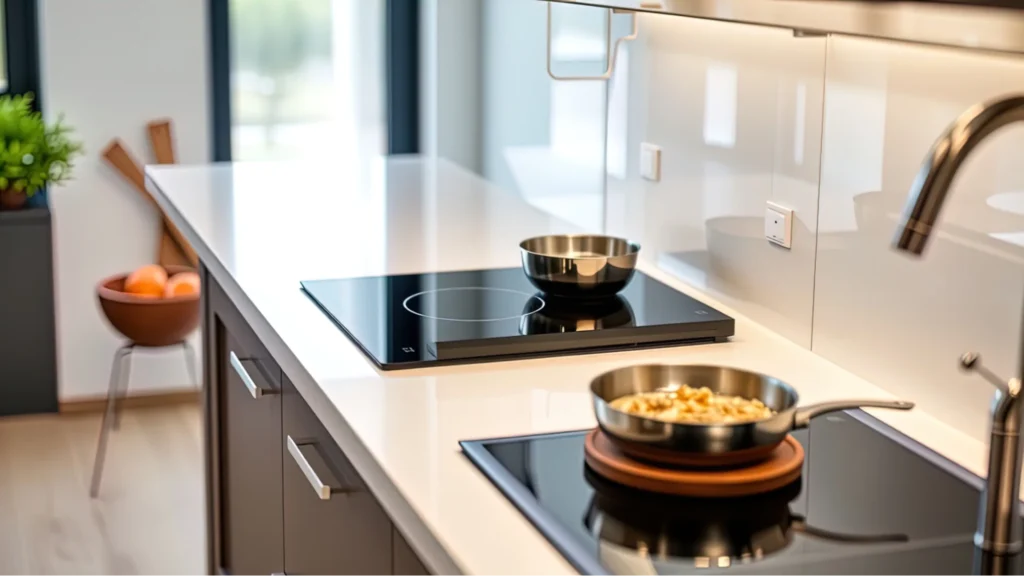
When comparing the pros and cons of gas vs. electric vs. induction ranges, it’s important to remember that each one has its own strengths and trade-offs. The best choice depends on your cooking habits, budget, kitchen setup, and what features matter most to you. Here’s a closer look at what you can expect from each type of range.
Gas Range: Pros and Cons
Gas ranges have been a favorite in American kitchens for years because they offer instant heat and excellent control over the flame.
Pros
- Instant heat makes it easy to start cooking right away.
- Flame adjusts immediately, giving you precise temperature control.
- Great for searing, stir-frying, and cooking with high heat.
- Works with almost any type of cookware.
- Many models can still be used during a power outage if they have manual ignition.
Cons
- Requires a natural gas or propane connection.
- Open flames need extra attention, especially around children and pets.
- Burners and grates take more time to clean than smooth cooktops.
- Gas burners and igniters may need occasional repairs over time.
Electric Range: Pros and Cons
Electric ranges are a popular choice because they’re affordable, easy to use, and fit well in most homes.
Pros
- Usually costs less to buy than gas or induction models.
- Smooth-top models are simple to clean with a quick wipe.
- Provides steady, even heat that’s great for baking.
- No gas line is needed, making installation easier in many homes.
- Available in a wide range of styles and price points.
Cons
- Takes longer to heat up and cool down.
- Temperature changes aren’t as quick as gas.
- Glass cooktops can scratch or crack if not handled carefully.
- Cooking isn’t possible during a power outage.
Induction Range: Pros and Cons
Induction ranges use magnetic technology to heat the cookware instead of the cooking surface. They’re becoming more popular because they combine speed, safety and energy efficiency.
Pros
- Boils water and heats food faster than gas or electricity.
- Very precise temperature control for everything from simmering to high-heat cooking.
- Highly energy efficient because heat goes directly into the pan.
- The cooktop stays much cooler, helping reduce the risk of burns.
- Food spills are less likely to burn onto the surface, making cleanup quick and easy.
Cons
- Higher upfront cost than most gas or electric ranges.
- Requires magnetic cookware, so some pots and pans may need to be replaced.
- Electronic parts can be more expensive to repair if they fail.
- Some users need a little time to get used to how induction cooking works.
Also Read: Whirlpool Washer Error Codes: Meanings, Fixes & Reset Guide Houston
Cost Comparison: Purchase, Energy, Maintenance, and Repairs
The upfront price is only part of the story. When comparing the pros and cons of gas vs. electric vs. induction ranges, it’s also important to think about energy bills, regular maintenance, and future repair costs. A range that costs less today could end up costing more over the years, while a higher-priced model may save money through better energy efficiency and fewer maintenance needs.
Here’s a quick comparison to help you see the long-term value of each option.
| Cost Factor | Gas Range | Electric Range | Induction Range |
| Purchase Price | $$ | $ | $$$ |
| Installation Cost | Medium (gas line required) | Low | Medium to High (may need an electrical upgrade) |
| Energy Efficiency | Good | Better | Best |
| Monthly Energy Costs | Depends on local gas prices | Moderate | Usually the lowest |
| Routine Maintenance | Clean burners and inspect igniters | Keep cooktop and heating elements clean | Keep the glass surface clean and use compatible cookware |
| Typical Repair Costs | Moderate | Moderate | Higher due to advanced electronics |
Purchase Price
If you’re shopping on a budget, electric ranges are usually the most affordable. Gas ranges often cost a little more because they require gas components, while induction ranges typically have the highest upfront price because of their advanced technology.
Energy Costs
When it comes to energy efficiency, induction ranges are the clear winner. They transfer heat directly to the cookware, so less energy is wasted. Electric ranges are also efficient, while gas ranges lose more heat around the cookware, which can increase energy use over time.
Maintenance
Every range needs basic care to keep it working well.
- Gas ranges need regular cleaning around the burners and occasional checks for clogged burner ports or worn igniters.
- Electric ranges require very little maintenance besides cleaning the cooktop and checking the heating elements if they stop working properly.
- Induction ranges are easy to clean because food is less likely to burn onto the surface, but they should always be used with compatible magnetic cookware.
Simple cleaning and regular maintenance can help extend the life of any kitchen range and reduce the chance of unexpected repairs.
Repair Costs
Repair costs vary depending on the type of range and the parts involved.
- Gas ranges commonly need burner, igniter, or gas valve repairs, which are often straightforward.
- Electric ranges may require replacement heating elements, temperature sensors, or control switches over time.
- Induction ranges usually have fewer moving parts, but if an electronic control board or power module fails, repairs can be more expensive because of the specialized components.
Also Read: Cooktop Repair Cost in Houston TX (2026 Prices & Guide)
Also Read: Oven Not Heating Properly in Katy TX? Fix It Fast
Which Range Is Best for Your Cooking Style and Home?
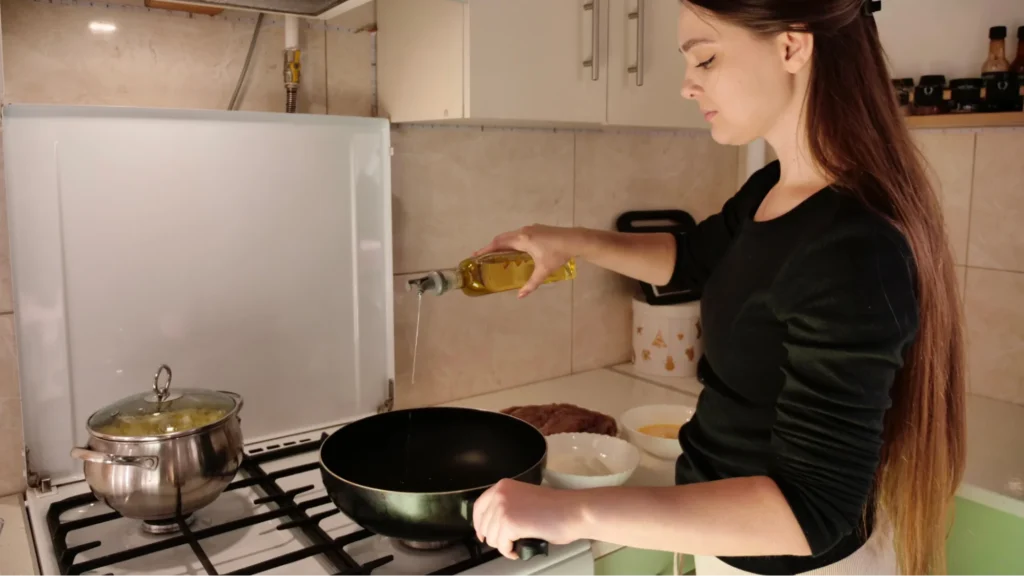
There isn’t one “best” range for every home. The right choice depends on what you cook most, your kitchen setup, and how long you plan to keep the appliance. Looking beyond the price tag will help you choose a range that fits your daily life and saves money over time.
| If Your Priority Is… | Best Choice | Why |
| Fast heat and precise cooking | Gas | Instant flame control makes it easy to adjust heat while cooking. |
| Lower upfront cost | Electric | Usually the most affordable option to buy and install. |
| Lower energy bills | Induction | Uses less energy by heating the cookware directly. |
| Easy cleanup | Induction | Food is less likely to burn onto the cooktop surface. |
| Existing gas connection | Gas | No need to switch utilities or make major changes. |
| Replacing an older electric range | Electric | Installation is often quicker and more affordable. |
Your home’s utility connections also matter. If you already have a natural gas line, switching to a gas range is normally straightforward. If your kitchen is wired for an electric range, replacing it with another electric model is always the easiest option. For an induction range, check that your electrical system meets the manufacturer’s requirements before buying.
Contact Your Local Kaspi Appliance Repair for Stove, Range & Oven Repair in Texas and Nearby Areas
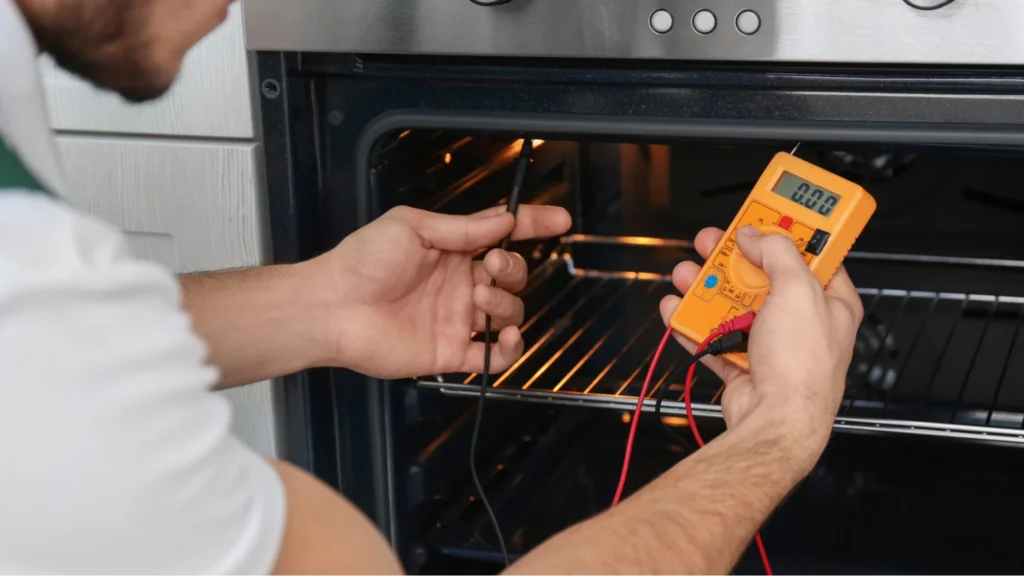
Buying the right range is only half the job. Proper installation and timely repairs play a big role in how well your appliance performs and how long it lasts. We’ve seen most homeowners spend thousands on a new gas, electric or induction range, only to run into problems because of incorrect installation, poor maintenance, or small issues that were ignored for too long.
At Kaspi Appliance Repair, we’ve been repairing and installing kitchen appliances since 2017. Our certified technicians work on gas ranges, electric ranges, induction ranges, stoves, ovens, and cooktops from all major brands. Whether you’re replacing an old appliance, troubleshooting a heating problem, or deciding if a repair is worth it, we’ll give you honest recommendations based on the condition of your appliance, not a sales pitch.
We’re trusted by homeowners and businesses across Houston, Katy, Sugar Land, Fulshear, and nearby Texas communities for professional appliance repair and installation. If your range isn’t performing the way it should, or you need expert help choosing the best repair solution, contact Kaspi Appliance Repair today and let our experienced technicians get your kitchen back on track.
Frequently Asked Questions about Pros and Cons
-
Which is better: gas, electric, or induction ranges?
There isn’t one range that’s best for everyone. Gas offers instant heat control, electric is affordable and reliable for everyday cooking, and induction is the fastest and most energy-efficient. The right choice depends on your cooking style, budget, kitchen setup, and long-term needs.
-
Are induction ranges worth the higher price?
Yes, if you want faster cooking, lower energy use, and added safety. Although induction ranges cost more upfront, they heat cookware directly, cook more efficiently, and are easier to clean. Over time, many homeowners find the extra investment worthwhile.
-
Which type of range is the most energy-efficient?
Induction ranges are the most energy-efficient because they transfer heat directly to the cookware with very little heat loss. Electric ranges are next, while gas ranges are generally the least efficient because some heat escapes around the pan instead of heating the food.
-
Do induction ranges require special cookware?
Yes. Induction ranges only work with magnetic cookware, such as cast iron and most stainless steel pans. Aluminum, copper, and glass cookware won’t work unless they have a magnetic base designed for induction cooking.
-
Which range lasts the longest?
With proper maintenance, gas, electric, and induction ranges can all last around 13 to 15 years. Regular cleaning, timely repairs, and professional maintenance help extend the life of any kitchen range, regardless of the type you choose.
Tried these fixes and it’s still not working?
Don’t risk making it worse. A Kaspi technician can diagnose and repair your appliance at your home in Houston and nearby areas.
Licensed & insured • Most repairs done same day • 90-day warranty on parts & labor