Need it fixed today in Houston?
Licensed & insured technicians • Most repairs done same day • 90-day warranty on parts & labor
Your restaurant’s in full swing and customers are clamoring for cold drinks, and suddenly your Hoshizaki ice machine just up and stops making ice – the bin is nearly empty, and staff are scrambling to find some from somewhere else. You’re working against the clock and can’t afford hiccups with a machine that might still be running without actually producing enough ice to keep up. And if that’s the case, you’ll likely end up with even more downtime and bigger repair bills down the line.
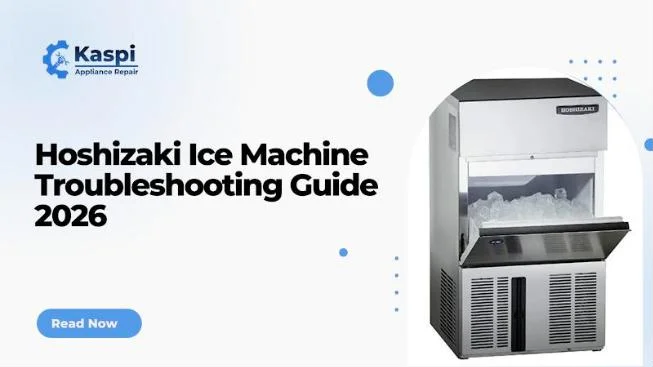
If your Hoshizaki ice machine is on the fritz and not producing ice, beeping at you, leaking water, or just splurging out tiny ice cubes, you need to figure out what’s going on and how to get it working again. Putting off checking out these warning signs could end up costing you more time and money to fix.
This guide is here to walk you through some of the most common problems that crop up with Hoshizaki ice machines, what might be causing them, and the things you can safely try before you have to call in a professional. Let’s get to the bottom of things and work out what’s going on with your machine.
How to Troubleshoot a Hoshizaki Ice Machine Before Calling for Repair
Before you even think about calling someone to come and fix your Hoshizaki ice machine, take a look at a few of the most common reasons why it might not be working properly. Maybe the air filter is blocked, the water supply is low, or there’s a problem with the drainage system. These are all pretty straightforward things you can check out for yourself, and they can help you reduce unnecessary downtime and decide when professional service is actually needed.
1. Check the Power Supply and Machine Status
If your Hoshizaki ice machine is just not making any ice, the first thing to do is check that it’s actually got power and is set up to work properly. Look out for a tripped circuit breaker – or maybe the power cord has been pulled out or the machine has been turned off. If that breaker trips again, then its time to call in the pros, electrical faults can be risky to play around with.
2. Inspect the Water Supply and Water Filter
A Hoshizaki ice machine needs a steady supply of water to keep churning out ice – check that the external valve hasn’t been turned off, and also keep an eye out for kinks in the water line. A clogged up water filter, low water pressure, or restricted water flow can all cause problems and prevent the machine from making ice at all. Make sure you swap out your filters when they’re due – and if you still have water supply problems, get a pro to take a look.
3. Clean the Air Filter and Check Condenser Airflow
Poor airflow is another thing that can cause headaches with a Hoshizaki ice machine – a grubby old air filter or a blocked up condenser area can make heat removal less effective, cutting ice production and potentially causing the machine to shut down. If your model has a user-accessible air filter, clean it out as directed in the owner’s manual, and make sure the surrounding area is clear to give the machine room to breathe.
4. Check Hoshizaki Ice Machine Beep Codes and Error Messages
If your Hoshizaki ice machine is beeping away at you, flashing its lights or showing an error code, jot down exactly what the display says before you do anything else. These warning messages might be pointing to something specific that’s gone wrong – maybe its the freeze cycle, or the water supply. Check out the service manual for your model to see what it’s trying to tell you, since alarm patterns can differ between machines. And remember, don’t just go and swap out parts because it says there’s a problem – take some time to figure out what’s really going on.
5. Inspect the Ice Bin, Ice Drop Area, and Drain Line
Sometimes a Hoshizaki ice machine gets going but it just flat out refuses to make any ice; and that’s usually because the ice bin is packed to the brim or the bin control is stopping it from doing another cycle. First off, check the bin level and have a squint for any obvious drainage issues around the unit – a blocked drain or a poorly positioned drain line can cause water to start seeping out all over the machine. Avoid reaching into moving parts or taking off internal panels to clear a blockage yourself.
When to Call for Hoshizaki Ice Machine Repair
If even after all that you’re still not getting any ice out of your Hoshizaki, then there’s probably something more sinister going on inside, like a dodgy water valve, faulty sensor, malfunctioning pump, control board or refrigeration system – these kinds of things are not going to be fixed with a few resets so proper testing is a must.
In restaurants, hotels, bars and all the other places that rely on these machines for their ice, a quick and accurate diagnosis is a lifesaver – no downtime, less pointless part replacements. If you’ve got a Hoshizaki that’s suddenly started making less ice, beeping non stop, leaking water or shutting down on you every five minutes, get a qualified commercial ice machine repair technician in Texas to come and sort it out.
Common Hoshizaki Ice Machine Problems and Solutions
More often than not, the first sign that your Hoshizaki is on the fritz isn’t it just packing up completely – it might start acting a bit wonky – maybe the ice bin is emptying quicker than normal, the ice itself is coming out in weird sizes, water’s collecting near the floor drain, or the ice is sticking to the bin instead of falling in as it should. When that happens in a restaurant, bar, or hotel, you can be sure that come the lunch/dinner rush service is going to be a nightmare.
But here’s the good news – these symptoms often point to the problem. Below are 8 common Hoshizaki ice machine problems, what might be behind them and what you need to do next.
1. Hoshizaki Ice Machine Not Making Ice
You hear the unit running but the ice bin stays empty – this is by far the most common reason businesses come looking for help with Hoshizaki ice machine troubleshooting. So what’s gone wrong? Could be the water supply has dropped out, it’s got a problem with its freeze cycle, the controls are on the blink, or the refrigeration system has stopped working.
What to check: Firstly, make sure it’s got power and the water supply is coming in okay. Do any warning lights or alarms come on? If it’s just running and not making any ice then you might need to get a technician in to test the water valve, sensors, controls and refrigeration components before you can actually pinpoint the problem.
2. Hoshizaki Ice Machine Not Making Enough Ice
If your staff are constantly refilling the ice bin but still running low during the busy times, the unit is probably not producing ice at the rate it should be. It could be that your kitchen’s too hot, the airflow is restricted, the condenser surfaces are dirty, there’s mineral scale buildup, or there’s a problem with the ice making cycle.
What to check: Take a closer look at its performance against the expected production rating for your specific model – this will take into account room temperature, water temperature and actual demand. Make sure the surroundings are clear and make sure you’re sticking to the maintenance routine the manufacturer laid out. If it’s still not producing enough ice, then it’s not necessarily the machine’s fault – it might just need a bit of a check on the cooling and water systems.
3. Hoshizaki Ice Machine Not Dropping Ice
The ice forms but just sits there stuck to the evaporator – it’s not dropping down into the storage bin like it should. That suggests there might be a problem with the way the harvest cycle is working. It’s possible that there’s mineral build-up, the water quality is off in some way, or there’s a problem with the sensors or – more likely – the controls that govern the harvest cycle.
What you should do first is try to figure out if this is something that happens every single time you run the thing, or if it’s just an occasional problem. And whatever you do, don’t try to knock the ice loose or force the thing to harvest – that’s just going to make things worse. If the ice continues to be a problem, a technician who knows what they’re doing can take a close look at the evaporator, the water system and the harvest controls – they’ll follow the right procedure for your specific unit.
4. Hoshizaki Ice Machine Not Filling With Water
When your unit doesn’t get enough water things go haywire – it might just not turn on and start making ice at all, or it might just give up on a cycle mid-way through. Some of the most common reasons for this are that the supply valve is closed off, the water line is restricted, the filter’s clogged, the water pressure coming in from outside is too low, or the water inlet valve itself is faulty.
You’ve got to make sure the building’s water supply is actually working and that the external supply valve is turned wide open. Take a look at the water filter’s replacement schedule and check for any visible kinks in the supply line. And if water is available at the supply but the unit still won’t fill, we need a technician to take a gander at the inlet valve and water-level controls.
5. Hoshizaki Ice Machine Making Small, Hollow, or Misshapen Ice
If your customers notice they’re getting smaller cubes of ice than usual or the ice itself looks thin & uneven, try to figure out when exactly this change started happening. Water flow restriction, mineral buildup, water-quality problems, or any recent changes to how your ice machine operates could be the culprit – and it’s not just cloudy ice that means something’s amiss.
First off, check the water filter’s service date and the cleaning schedule – make sure it’s all up to date. Compare the ice to what the unit usually makes in similar conditions. If that’s not working out, have the water supply, any scale buildup and ice-making cycle checked out before you start swapping out parts.
6. Hoshizaki Ice Machine Freezing Up or Building Excess Ice
You’ll be keenly aware if ice starts forming in a place it shouldn’t – and that can cause problems if the unit’s struggling to release the ice or finish its cycle. The reason for the ice is probably going to depend on where it’s forming – you might be looking at water-flow problems, mineral deposits, harvest-cycle faults, or even some kind of control issue.
If ice buildup is impacting how the unit runs, you should be following the shutdown and inspection instructions in that owner’s manual. Don’t even think about using sharp tools or applying direct heat to try and remove the ice – that’s just going to make things worse. But if the problem comes back after you’ve done a proper cleaning or shutdown, it’s time to bring in the pros at Hoshizaki for an ice machine service.
7. Hoshizaki Ice Machine Leaking Water
A puddle under one of these ice machines is about more than just cleaning up – you’re talking about a serious slip hazard, flooring damage or even kitchen work stoppage. The water might be coming from a loose external supply connection, a blocked or improperly installed drain line, or just a plain old internal leak.
Start by figuring out where the water first starts coming from. Check any external connections that are easy to get to and the drain line itself for any signs of blockage or being out of place. But if the leak keeps going, then you’ve got to shut off the water when it’s safe to do so and get an expert in to take a look – just steer clear if the water’s got near any electrical bits.
8. Hoshizaki Ice Machine Making Loud or Unusual Noises
A new, unfamiliar grinding, rattling, or buzzing sound coming from the machine is definitely worth taking a closer look at – particularly if ice production has slowed down too. It’s possible that loose external panels or the machine touching onto something nearby is the cause of the rattling, but if the noise persists then it could be an internal component that’s gone wrong.
What to do: take note of when the noise happens – is it during filling, freezing or ice release – and see if the unit is also leaking or producing less ice than usual. Just take a quick glance to see if there are any objects touching the outside of the machine but don’t go poking around or trying to strip out covers. But if the noise is loud, sudden or persists then get a professional in to take a look.
Hoshizaki Ice Machine Beep Codes and Error Messages
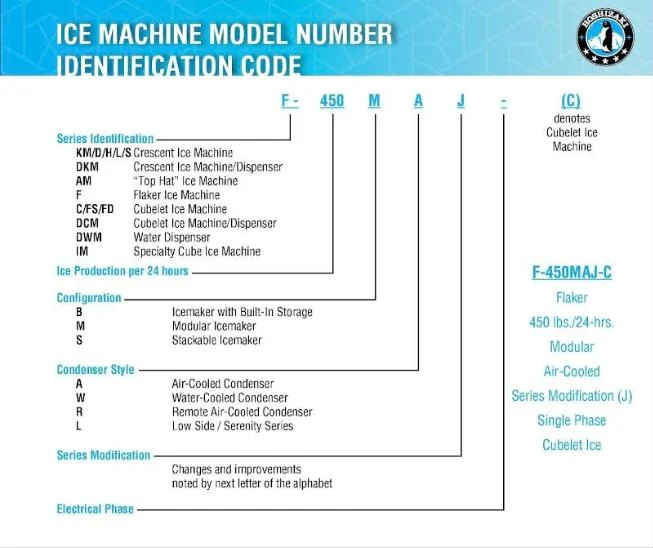
Every so often your Hoshizaki ice machine will start beeping at you and just stop making ice – and that’s when the alarm is trying to tell you that something’s gone wrong. For a restaurant or hotel with a Hoshizaki ice machine, knowing what that warning means can be the difference between getting back to business as usual with minimal delays and having to wait around for a tech to turn up.
However, Hoshizaki ice machine beep codes vary by model and series. A three-beep alarm on a KM-series cube ice machine does not necessarily mean the same thing as an alarm on an FD-series flake or nugget ice machine. Always check the service manual for your exact model before following a reset or repair procedure. Hoshizaki provides model-specific manuals through its official Hoshizaki manuals and guides page.
What Do Hoshizaki Ice Machine Beep Codes Mean?
The examples below come from Hoshizaki’s official service manuals. Just to be clear, though – they apply to the specific equipment families mentioned, not all Hoshizaki ice machines out there.
| Beep or alarm | Meaning on applicable models | What to do next |
|---|---|---|
| 1 beep every 3 seconds | On applicable KM cubers, a high-evaporator-temperature safety has been triggered | Record the alarm and arrange a technician inspection if the unit shuts down |
| 2 beeps every 3 seconds | On applicable KM cubers, the harvest backup timer has been triggered after consecutive extended harvest cycles | Have the harvest cycle and related components checked |
| 3 beeps every 3 seconds | On applicable KM cubers, consecutive extended freeze cycles have triggered the freeze backup safety | Check routine cleaning history and water supply conditions; arrange professional diagnosis if the alarm returns |
| 6 beeps every 3 seconds | Low-voltage safety on applicable KM models | Have the power supply checked by a qualified technician |
| 7 beeps every 3 seconds | High-voltage safety on applicable KM models | Stop troubleshooting electrical components yourself and arrange a proper electrical inspection |
These meanings are documented in Hoshizaki’s KM modular ice machine service manual. The timing and alarm definitions should not be transferred to other models without checking their documentation.
What Does a Three-Beep Hoshizaki Ice Machine Alarm Mean?
A 3-beep alarm is one of the most common Hoshizaki KM-series ice machine support calls. According to Hoshizaki’s maintenance guidelines, when that alarm goes off on the KM models it applies to, it generally means the machine has blown past its acceptable number of freeze cycles in a row – we’re talking two consecutive cycles here.
In a normal run, as the machine churns out ice, the water level in the reservoir should slowly start to drop. The float switch is what’s supposed to kick in and signal to the machine that it’s time to stop freezing and start harvesting ice. But if that doesn’t happen as it’s supposed to, the machine will plod on into its emergency timing sequence and eventually sound the alarm.
Possible causes include:
- Mineral scale affecting the evaporator or water system.
- A float switch that is dirty, stuck, or not operating correctly.
- An inlet water valve that is leaking or not controlling water properly.
- A problem with the harvest or refrigeration system.
So what do you do next? First, jot down the alarm pattern so we can go from there & also check when the machine was last serviced. Also – is there any issue with getting water to the machine? If the alarm still won’t quit, you’ll want to call a trained tech to check out some of the key components. But here’s the thing – just swapping out the float switch isn’t going to magically fix the problem, most of the time.
What If Your Hoshizaki Ice Machine Beeps Once or Twice?
On the applicable KM cube machines, a single beep every 3 seconds will flag a high-temperature problem, while a series of two beeps every 3 seconds will point to a harvest backup timer issue. Both of those can bring ice production to a grinding halt, but the underlying problems are different.
For example, a super long harvest cycle could be pointing to a problem with ice getting stuck, the hot gas valve, or some of the associated controls. If it’s a high-temperature safety situation, the technician will need to go back and find out what specifically caused the machine to shut down.
Other Hoshizaki product families go about it in their own way when it comes to alarm definitions though. The service manual for the FD-series, for instance, explains that a single beep means the water level is running low – and different numbers of beeps represent different fault types.
If your ice machine decides to start beeping, try jotting down how many beeps you hear, how often they repeat, whether any lights are flashing & what the exact model number is. That’s way more helpful than just saying the machine has quit on you.
How to Find the Correct Hoshizaki Error Code and Reset Procedure
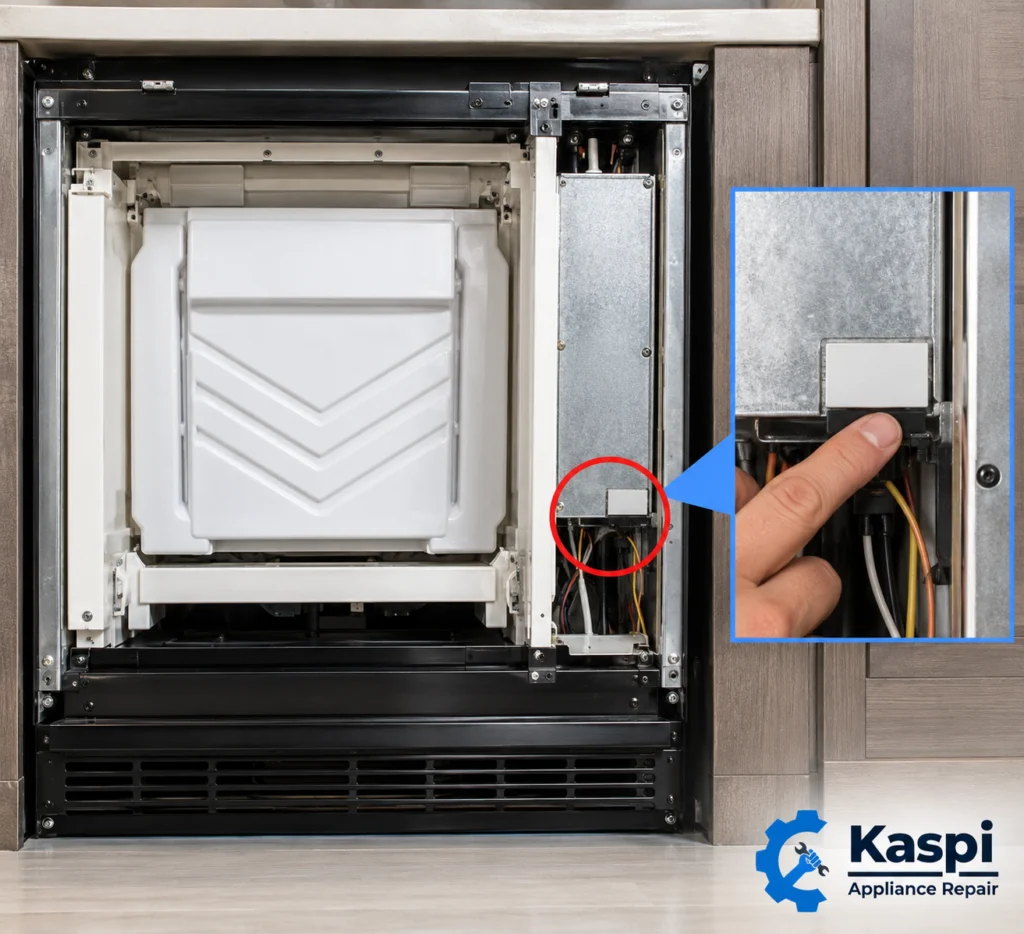
Before you even think about trying to reset your Hoshizaki ice machine, track down the model and serial number. It should be on that identification plate stuck on the side of the unit.
Follow these steps:
- Record the alarm. Note the beep count, repetition interval, indicator lights, and any displayed message.
- Find the correct manual. Use the official Hoshizaki manuals and guides page to locate the documentation for your model.
- Check the stated cause. Follow only the user-level checks permitted by the manual. Internal electrical testing and refrigeration diagnosis should be left to qualified technicians.
- Follow the approved reset procedure. Some alarms require a specific reset method, and clearing an alarm does not correct the underlying fault.
- Arrange service if the alarm returns. A repeated safety shutdown means the cause still needs to be identified.
For anyone in the service industry – especially those working in commercial kitchens – it’s a waste of time if you have to reset the same machine over & over without sorting out what’s really going on. If the alarm keeps going off, it just stops – or you find it can’t even finish a freeze or harvest cycle – then it’s probably time to call in a pro to sort out your Hoshizaki ice machine.
How to Clean and Maintain a Hoshizaki Ice Machine in Texas
And don’t be too quick to assume your Hoshizaki ice machine is on its last legs just because it’s not producing as much ice in the middle of a Texas summer. Truth is – warmer air, warmer water coming in, a dirty condenser & mineral buildup can all impact its ability to make ice. Hoshizaki themselves note that the hotter it gets and the warmer the water is, the less ice it’ll make in extreme conditions – especially if you got a machine that wasn’t sized for such a high demand in the first place.
For the commercial kitchens that own restaurants, hotels, bars and the like – it’s ever key to be on top of these issues before the ice bin is staring us in the face as empty right in the middle of a crazy busy shift. Here are the maintenance checks that actually matter for your Hoshizaki ice machines in Texas.
1. Check for Mineral Scale Before Ice Production Drops
Scale can just build up and build up on the evaporator and inside the water system. It’s going to do that whether you like it or not, and eventually scale will be affecting the quality of your ice and even the production of it. The folks at Hoshizaki are actually pretty adamant that if you don’t keep on top of the cleaning – you are going to end up with all sorts of problems in the way of components and service calls. Of course hard water is a big concern – but in all reality it’s the water quality where the machine is actually sitting that determines how often you’ll need to clean it out.
What to do: Look out for some warning signs – starting to get lots of soft or misshapen ice coming out, reduced output overall, or recurring freeze-cycle alarms. Follow the cleaning instructions for your exact model of Hoshizaki ice machine and make sure to use one of the approved cleaners. If you do end up with a whole bunch of scale built up or if the machine has just gone too long without a cleaning, it’s probably best to get a pro in to do the descaling job – don’t try to go in there with a scrub brush yourself.
2. Clean the Air Filter and Inspect the Condenser
A clogged air filter can choke off airflow, while dust, grime & lint building up on the condenser will make it a real challenge for that air-cooled ice machine to really let the heat out. Particularly in a sweltering Texas kitchen where the heat just seems to build up during those lunch and dinner rushes, this kind of hassle can really hold your ice production back.
What to do in this situation: if your Hoshizaki model has an air filter that’s easily accessible, make it a habit to eyeball it every now and then & give it a wash when it gets dirty – just follow the manual instructions. While you’re at it take a quick look at the condenser area for any dust or grease that might be building up – but please, whatever you do don’t go bending those delicate fins or trying to rip off the electrical covers. If the condenser is either super clogged or – worse yet – hard to get to, you’re probably best off having a pro come in to give it a good cleaning.
3. Check the Water Filter When Ice Production Falls
A water filter does a lot more than just make the water taste better – it’s also crucial for making ice in the first place. If it ever gets clogged, it can really choke the water flow you need to keep things running smoothly. Hoshizaki’s own technical support team always recommends taking a gander at that external water filter if you start noticing a drop in water flow.
What to do: Make a note of when the water filter was installed and what its rated capacity is. If production starts slowing down or water flow becomes an issue, before jumping to conclusions, take a look at how the filter is doing and check the external water supply. Don’t assume a new filter will fix every water problem – the inlet screen, water valve, pressure, or other components may also need attention.
4. Clean and Sanitize the Machine Separately
Cleaning and sanitizing – two quite separate tasks mind you. Cleaning helps get rid of all that mineral build up and other gunk – it’s a good way to keep systems running smoothly. Sanitizing on the other hand helps cut down on microbial contamination – you know, keeping the surfaces that get in contact with water and ice nice and clean. They are not one and the same, so don’t just swap one out for the other.
What to do: Follow the cleaning and sanitizing procedure supplied for your model – remember to chuck the ice as instructed beforehand, use the right products and the right dilution, rinse as you’re told to, and don’t even think about serving any ice that the instructions say should be binned. And for goodness sake, don’t mix any cleaning products with the sanitiser – that just won’t work. If the manual says you need to take it apart to clean or if the instructions are a bit unclear, then it’s time to call in a qualified service technician.
5. Inspect the Drain and Water Connections
Water round the machine can come from a loose external supply pipe, a blocked drain or if there’s an internal fault that’s gone wrong. In a commercial kitchen a tiny leak can quickly become a real hazard – whether it’s just a slip hazard or it’s causing damage to other kit nearby before anyone even spots it.
What to do when you discover you’ve got a leak: during your routine checks keep an eye out for water collecting under the machine, the drain line’s gone askew, or there’s visible moisture about the external connections. But don’t just keep on guessing if the water’s backing up through the drain or the leak just won’t quit – get an inspection done pronto and keep clear of any electrical parts if water gets that far.
6. Set a Maintenance Schedule That Fits Your Kitchen
A machine in a dusty, high volume kitchen probably warrants more attention than one that’s sat quietly in a clean kitchen that’s not used much. Hoshizaki’s manuals are pretty clear about how often maintenance is needed – and that it depends on what model you’ve got, what the water quality is like, the environment it’s stuck in and all the relevant sanitation rules you’ve got to follow.
Use this as a starting point, then follow the schedule in your model’s manual:
- Daily: Clean the ice scoop and follow your food-safety procedures for the bin and ice-handling area.
- Every two weeks: Inspect the air filter, where fitted, and wash it if dirty.
- Monthly: Check external water filters and replace them when needed according to the manufacturer’s requirements.
- As needed: Inspect the condenser and clean it when dirt or grease has collected.
- At the specified interval: Clean and sanitize the ice machine and storage bin using the approved procedure. Some Hoshizaki models call for at least annual cleaning, while other models require more frequent service.
When to Call a Professional Hoshizaki Ice Machine Repair Technician
If your Hoshizaki ice machine is not making ice, keeps triggering beep alarms, leaks water, or struggles with low ice production, it’s time to consider professional repair. Repeated resets and guesswork can lead to more downtime for your restaurant, bar, or commercial kitchen.
Kaspi Appliance Repair helps local businesses diagnose and resolve commercial ice machine problems. Our team can assess your Hoshizaki ice machine, identify the cause of the fault, and recommend the right repair to restore reliable ice production.
Need Hoshizaki ice machine repair? Contact Kaspi Appliance Repair to discuss your problem and arrange local service.
Frequently Asked Questions About Hoshizaki Ice Machine Troubleshooting
-
1. Why Is My Hoshizaki Ice Machine Not Making Ice?
A Hoshizaki ice machine may stop making ice because of a water supply problem, restricted airflow, mineral scale, or a fault in the ice-making cycle. Check the power, external water supply, and accessible air filter first. If the unit runs but produces no ice, a technician may need to inspect the water valve, sensors, controls, or refrigeration system.
-
2. What Does Three Beeps Mean on a Hoshizaki Ice Machine?
On applicable Hoshizaki KM-series cubers, three beeps every three seconds indicate two consecutive extended freeze cycles. Mineral buildup, a float switch problem, or a leaking water inlet valve may contribute to this condition. Check the manual for your exact model, record the alarm, and arrange professional diagnosis if the safety shutdown returns.
-
3. How Do I Reset a Hoshizaki Ice Machine?
The reset procedure depends on your Hoshizaki ice machine model and the alarm that triggered the shutdown. Some KM models have a control-board alarm reset button, but resetting does not fix the underlying fault. Check the official service manual before proceeding. If the alarm returns, have the machine inspected rather than repeatedly resetting it.
-
4. Why Is My Hoshizaki Ice Machine Making Less Ice Than Usual?
Low Hoshizaki ice machine production can result from high room temperatures, warm incoming water, restricted condenser airflow, mineral scale, or a problem with the ice-making cycle. Check the accessible air filter and maintenance history, then compare output with your model’s rated capacity under similar conditions. Persistent low production needs further diagnosis.
-
5. Why Is My Hoshizaki Ice Machine Not Filling With Water?
If your Hoshizaki ice maker is not filling, check whether the external water supply valve is open and the supply line is visibly kinked. A clogged filter, low water pressure, faulty inlet valve, or water-level control problem may also restrict filling. If the supply is working but the reservoir stays empty, arrange professional service.
-
6. Why Is My Hoshizaki Ice Machine Leaking Water?
A leaking Hoshizaki ice machine may have a blocked drain, a loose external water connection, or an internal leak. Check the visible drain line and external connections for obvious issues. If water continues to collect around the unit, shut off the water supply when safe and arrange an inspection. Keep clear if water reaches electrical components.
-
7. How Often Should a Hoshizaki Ice Machine Be Cleaned?
Hoshizaki recommends cleaning and sanitizing applicable KM cuber models at least annually, with more frequent cleaning where water quality is poor. Actual requirements vary by model and operating conditions. Follow your machine’s manual, inspect for mineral scale, and maintain the water filter according to its specifications. Cleaning and sanitizing are separate steps.
-
8. When Should I Call a Hoshizaki Ice Machine Repair Technician?
Call a qualified Hoshizaki ice machine repair technician if the unit repeatedly shuts down, continues beeping, leaks water, fails to release ice, or produces too little ice after basic checks. These symptoms may involve internal controls, water valves, sensors, or refrigeration components. Professional diagnosis helps identify the actual fault and avoid unnecessary parts replacement.
Tried these fixes and it’s still not working?
Don’t risk making it worse. A Kaspi technician can diagnose and repair your appliance at your home in Houston and nearby areas.
Licensed & insured • Most repairs done same day • 90-day warranty on parts & labor